
NEMA 14-50 Outlet Installation in Leander, TX
A NEMA 14-50 is the heavy-duty 240-volt outlet that powers plug-in EV chargers — and RVs, welders, and other big equipment. On a 50-amp circuit it delivers up to 40 amps of continuous EV charging, enough to recharge most electric vehicles overnight. Leander EV Charger Pros is a free referral service: call us and we will connect you with independent local electricians in Leander who install 14-50 outlets to code.
Free referral service — we connect you with independent local installation professionals. We do not perform installations ourselves.
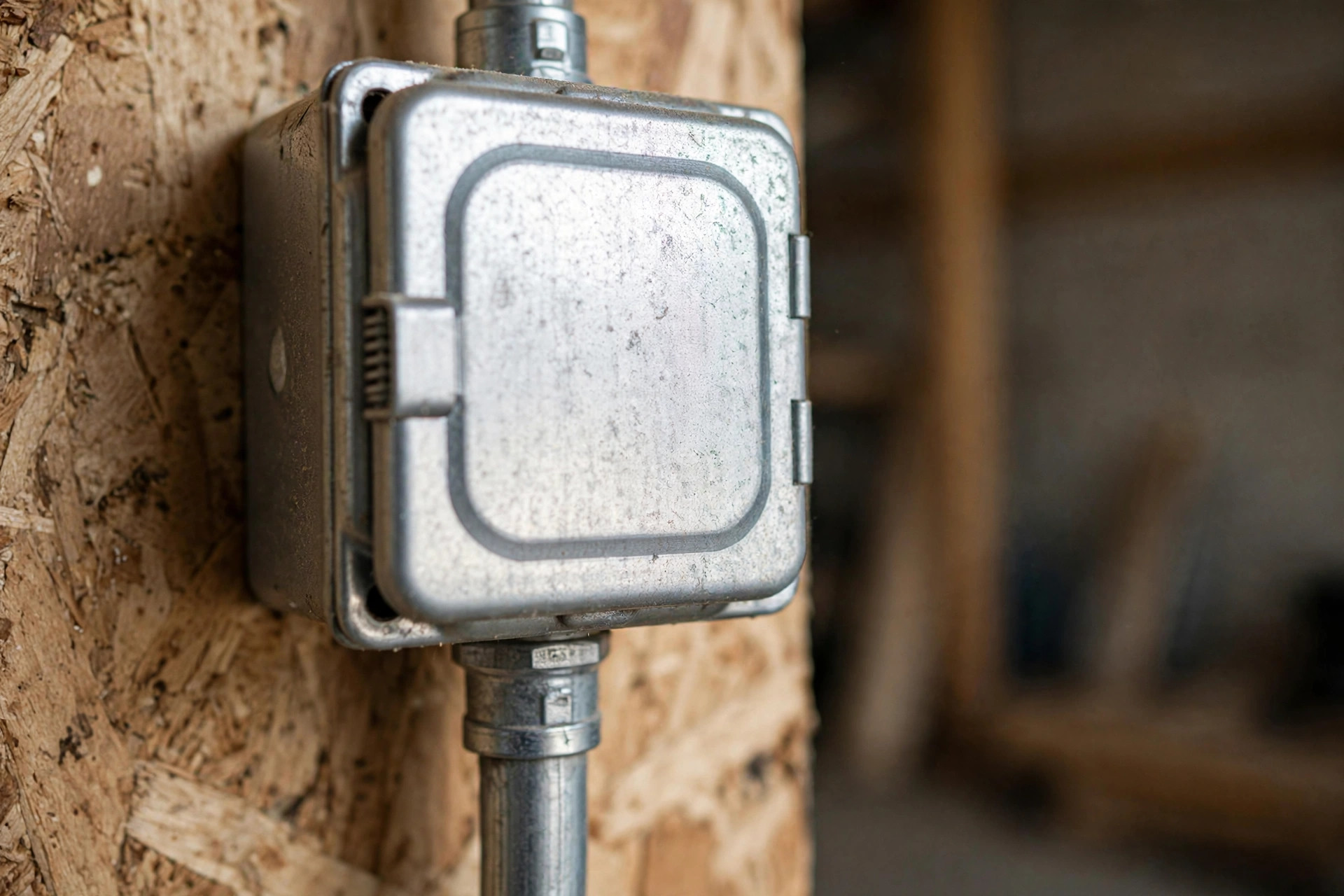
What a 14-50 Install Involves
The NEMA 14-50 looks like an oversized dryer outlet: four prongs, 240 volts, rated for 50 amps. It is the standard receptacle for plug-in Level 2 EV chargers — you plug the charger's cord into it just like an appliance. Because the charger itself is portable, you can unplug it and take it with you if you move, which renters and anyone planning a move within a few years tend to appreciate.
Installation is familiar electrical work: a load calculation to confirm panel capacity, a new dedicated 50-amp circuit run from the panel to the outlet location, a GFCI breaker (required by current code for these receptacles in garages), an industrial-grade receptacle — not a cheap hardware-store outlet, which can overheat under continuous EV loads — and proper mounting in a box rated for the wire size.
One thing a 14-50 cannot do is match a hardwired station's top speed. The outlet caps continuous charging at 40 amps, while a hardwired unit like the Tesla Wall Connector can run at 48 amps. For most daily driving the gap is minor, but it is worth knowing when you choose.
Why Homeowners Choose a 14-50 Outlet
- Flexibility: the charger plugs in and unplugs — take it with you when you move, or swap chargers without an electrician.
- Dual use: the same outlet can power an RV hookup, a welder, or other 240-volt equipment (one at a time per circuit).
- Simpler install: a receptacle on a 50-amp circuit is generally less involved than a hardwired station, which can mean a simpler quote.
- Full overnight charging: 40 amps of continuous charging adds roughly 25–35 miles of range per hour — plenty for a typical commute.
- Easy replacement: if the charger ever fails, you unplug it and plug in a new one — no wiring work needed.
Across Leander's newer subdivisions, charging installation services across Leander frequently start with a 14-50 in the garage: the panel is usually nearby, the run is short, and the homeowner gets Level 2 speeds with a setup they can take to their next house. If you are installing a home charger in Leander and value flexibility over maximum speed, the 14-50 is the practical middle ground.
How the Installation Process Works
- Call for your free referral. Tell us you want a NEMA 14-50 outlet for EV charging. We connect you with an independent local electrician — free, no obligation.
- Assessment and quote. The electrician checks panel capacity and breaker space, confirms the outlet location, and quotes the 50-amp circuit run.
- Code-compliant install. The circuit is run, an industrial-grade 14-50 receptacle is installed with GFCI breaker protection, and any required permit and inspection are handled.
- Power-up and test. The circuit is energized and tested under load so you can plug in your charger with confidence the first time.
A note on receptacle quality: EV charging draws high current for hours at a time, which is punishing for cheap receptacles. Reputable electricians use industrial-grade 14-50 outlets rated for the duty. If a quote seems unusually low, it is worth asking what receptacle is specified — the independent professionals we refer you to can explain their material choices.
GFCI, Location, and Panel Considerations in Leander
Current electrical code generally requires GFCI protection for 240-volt receptacles like the 14-50 in garages and similar locations. In practice this means a GFCI breaker in your panel rather than a GFCI outlet. Some older plug-in EV chargers have had nuisance-tripping issues with GFCI breakers, but modern units are designed for it — another reason to have the charger and the circuit planned together with your provider.
Location matters too. Most Leander installs put the 14-50 on the garage wall nearest the panel, keeping the wire run short. If you want the outlet outside — for driveway charging or an RV pad — it needs a weatherproof enclosure with an in-use cover. And if your panel is already full, the provider may recommend a panel upgrade or a subpanel before adding the 50-amp circuit; that assessment happens during the quote, not after work begins.
What Affects the Cost of a 14-50 Install
We do not set prices — the independent electrician who assesses your home provides the quote. The main cost drivers are:
- Distance from the panel: a short run to the adjacent garage wall is the simplest job; long runs through finished walls or attics add labor and wire.
- Panel capacity: spare space and spare amperage keep it simple; a full panel may need a subpanel or upgrade.
- Receptacle quality: industrial-grade 14-50 receptacles cost more than residential-grade ones and are the right choice for continuous EV loads.
- GFCI breaker: required by code and more expensive than a standard breaker — it should already be in the quote.
- Outdoor vs. indoor: weatherproof enclosures and in-use covers add material cost for exterior installs.
- Permit and inspection: usually bundled into the quote.
Call (512) 564-8225 and we will connect you with a local professional who can give you a straight quote for your specific setup.
Frequently Asked Questions
What is a NEMA 14-50 outlet?
A NEMA 14-50 is a 240-volt, 50-amp receptacle — the heavy-duty outlet used for plug-in EV chargers, RV hookups, and large shop equipment. On a dedicated 50-amp circuit it supports up to 40 amps of continuous EV charging, which recharges most electric vehicles fully overnight.
Is a plug-in charger on a 14-50 as fast as a hardwired charger?
Nearly. A 14-50 outlet supports up to 40 amps of continuous charging, while hardwired stations can reach 48 amps or more. In practice both add roughly 25–40 miles of range per hour — the difference amounts to an hour or two on a full overnight charge, which most drivers never notice.
Can one 14-50 outlet serve both my RV and my EV charger?
The outlet can physically power either one, but not both at the same time on the same circuit. Frequent plugging and unplugging also wears the receptacle. If you need both regularly, ask your provider about a second circuit — it is a common request in Leander's RV-friendly neighborhoods.
Does a NEMA 14-50 outlet need GFCI protection?
Current electrical code generally requires GFCI protection for 240-volt receptacles like the 14-50 in garages and similar locations, usually provided by a GFCI breaker in the panel. The installing electrician handles this as part of code compliance.
Can a NEMA 14-50 outlet be installed outdoors?
Yes, with a weatherproof enclosure and an in-use cover that shields the plugged-in connection from rain. Outdoor installs must meet code for wet locations — your provider will specify the right hardware.
Will my electrical panel support a 50-amp circuit?
That is the first thing the provider checks, using a load calculation. Many newer Leander homes with 200-amp service have room for a 50-amp circuit. If the panel is full or heavily loaded, an electrical panel upgrade or subpanel may be recommended.
Need a 14-50 Outlet in Your Garage?
Call now for a free referral to an independent local electrician in Leander, TX who installs NEMA 14-50 outlets for EV charging — code-compliant, properly rated, and quoted honestly.
Call Now for Your Free Quote